

Future Fabrics Expo London 2025
Bagging For Business #9

After a month of travelling I'm back bagging for business.
Just a few days after returning from the USA I boarded yet another plane to visit the Future Fabrics Expo in London that ran from June 24th-25th.
In this issue, I’ll share a recap of my very first visit to a dedicated textile fair—one that, coincidentally, offered just the right ingredients for what I was seeking for my brand:
Plastic-free fabrics that enable me to evoke a sense of warmth through the tactile experience.
European manufacturers, allowing close collaboration and efficient shipping.
A kindred community.
This recap will deep dive into some of my highlights from the show.
Content
The Fair
Community
VORN - The Berlin Fashion Hub
Alliance for European Flax-Linen & Hemp
Materials
Fabrics
Three Kinds Of Leather
Special Usecases
Packaging
The Fair
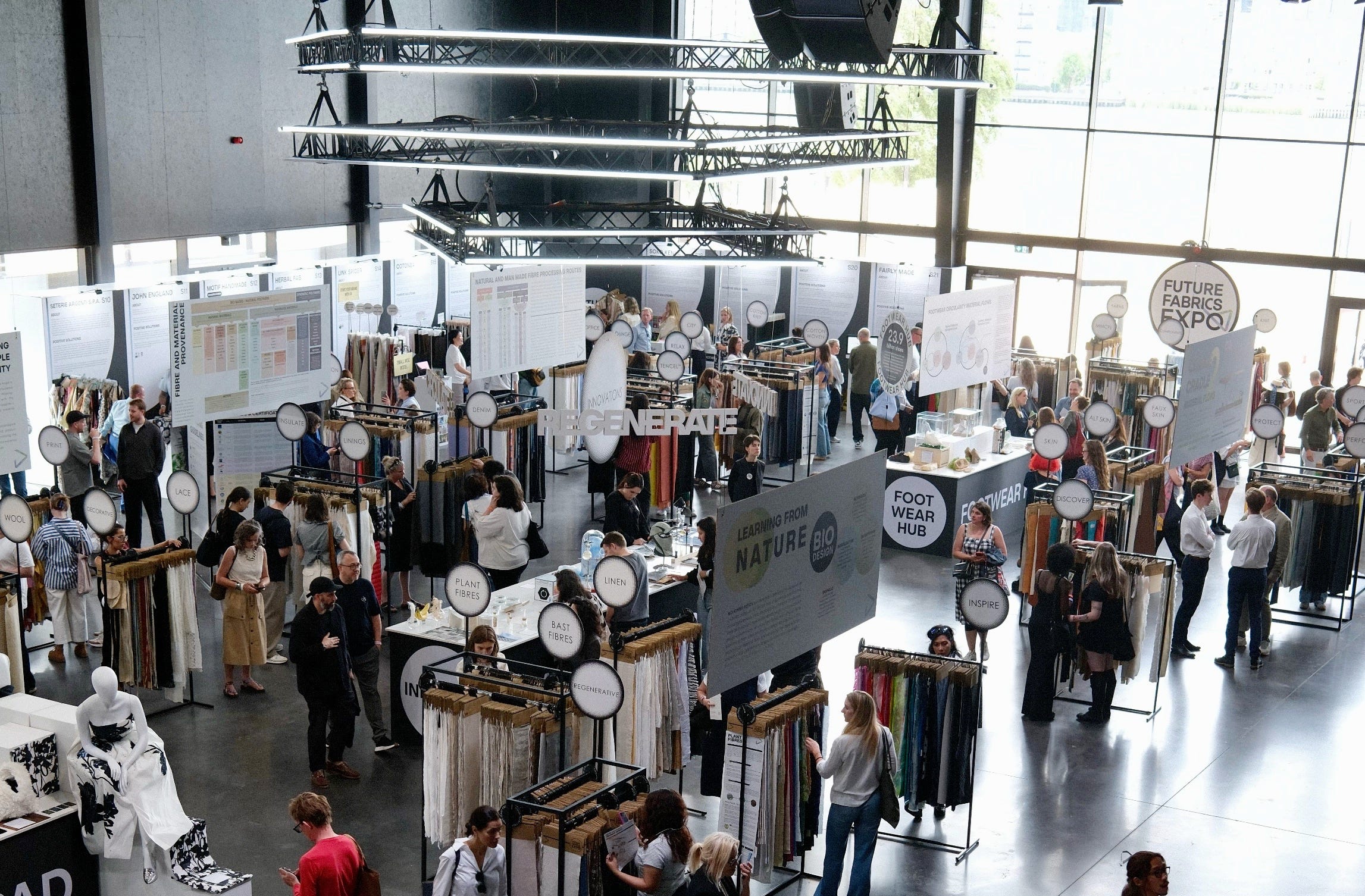
The Future Fabrics Expo (FFE) is founded by the not-for-profit organisation The Sustainable Angle which aims to initiate and support projects that lower the environmental impact of industry and society.
Since 2011, the FFE has been a pioneer in showcasing innovative material solutions that prioritize preservation and regeneration of nature, climate, and biodiversity.
Now the largest sustainable sourcing showcase for fashion and interiors, FFE features thousands of materials each year and serves as a leading platform for responsible sourcing and industry knowledge.
You can check out a curated range of materials and fabrics on their Virtual Expo, containing key information regarding the mill or suppliers sustainability credentials and positive solutions, rigorously researched by The Sustainable Angle.
Community
VORN - The Berlin Fashion Hub
I had the chance to connect with VORN, a dynamic space driving sustainable innovation in fashion.
I’m especially excited about their Microfactory SHIFT—a collaborative production model designed for small labels like mine. After speaking with Co-CEO Marte Hentschel, I’m going to visit their co-working space near the BIKINI Berlin and tap into their community of partners. VORN’s approach to shared resources, short-run production, and circularity could make a real difference for independent brands trying to scale. This is the kind of local, values-aligned network that might make my endeavor more accessible and achievable.
Here a selection of partners in the SHIFT ecosystem:
Lebenskleidung
Organic textile specialists offering small-batch, digitally printed fabrics with fair-trade supply chains.
Charle
Plastic-free bands made from certified natural fibers and powered by renewable energy.
Valupa
100% bio-based, compostable fashion accessories made from food, cosmetic, and fashion waste.
Alliance for European Flax-Linen & Hemp
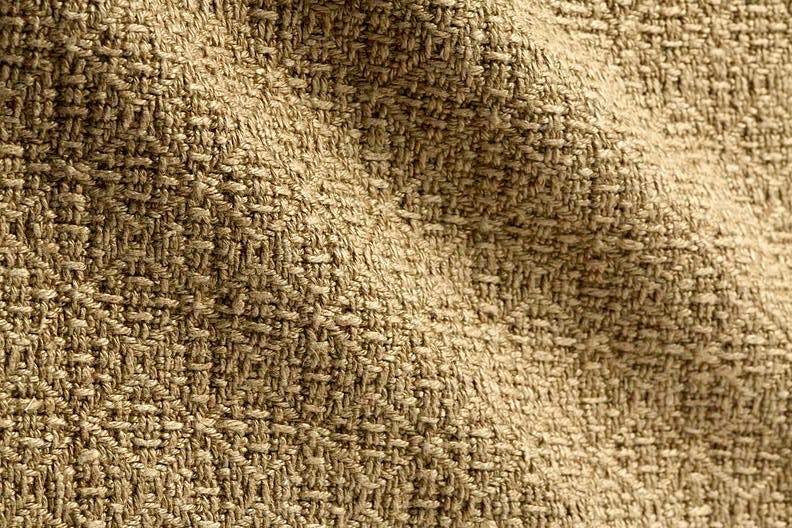
A powerhouse non-profit that unites over 10,000 stakeholders across Europe’s flax and hemp value chain. It delivers two major certifications—Masters of FLAX FIBRE™ and Masters of LINEN™—to guarantee origin and transparency. The Alliance also operates an economic observatory, develops blockchain-powered traceability tools and environmental footprint datasets.
Their newly launched E‑Sourcing Platform—the Linen & Hemp Dream Lab—is a valuable tool for designers like me, offering access to a huge catalogue of certified textiles and material innovations.
Materials
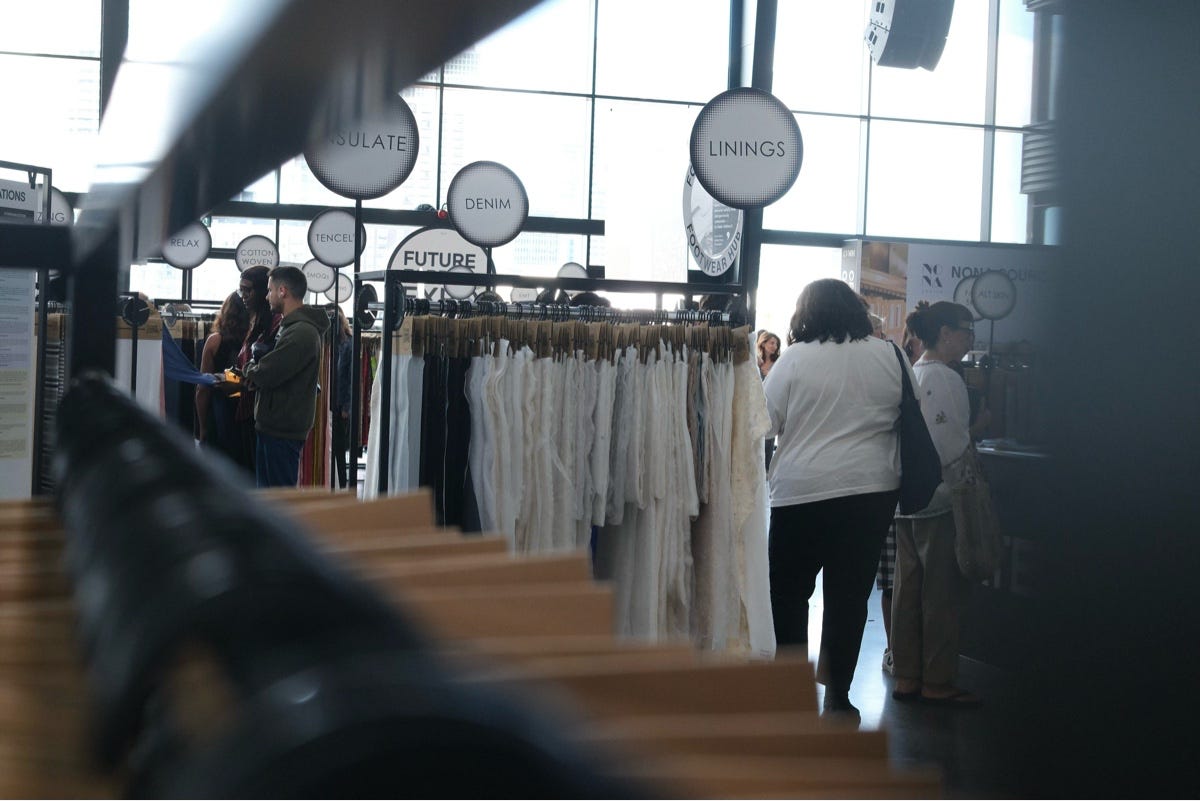
Fabrics
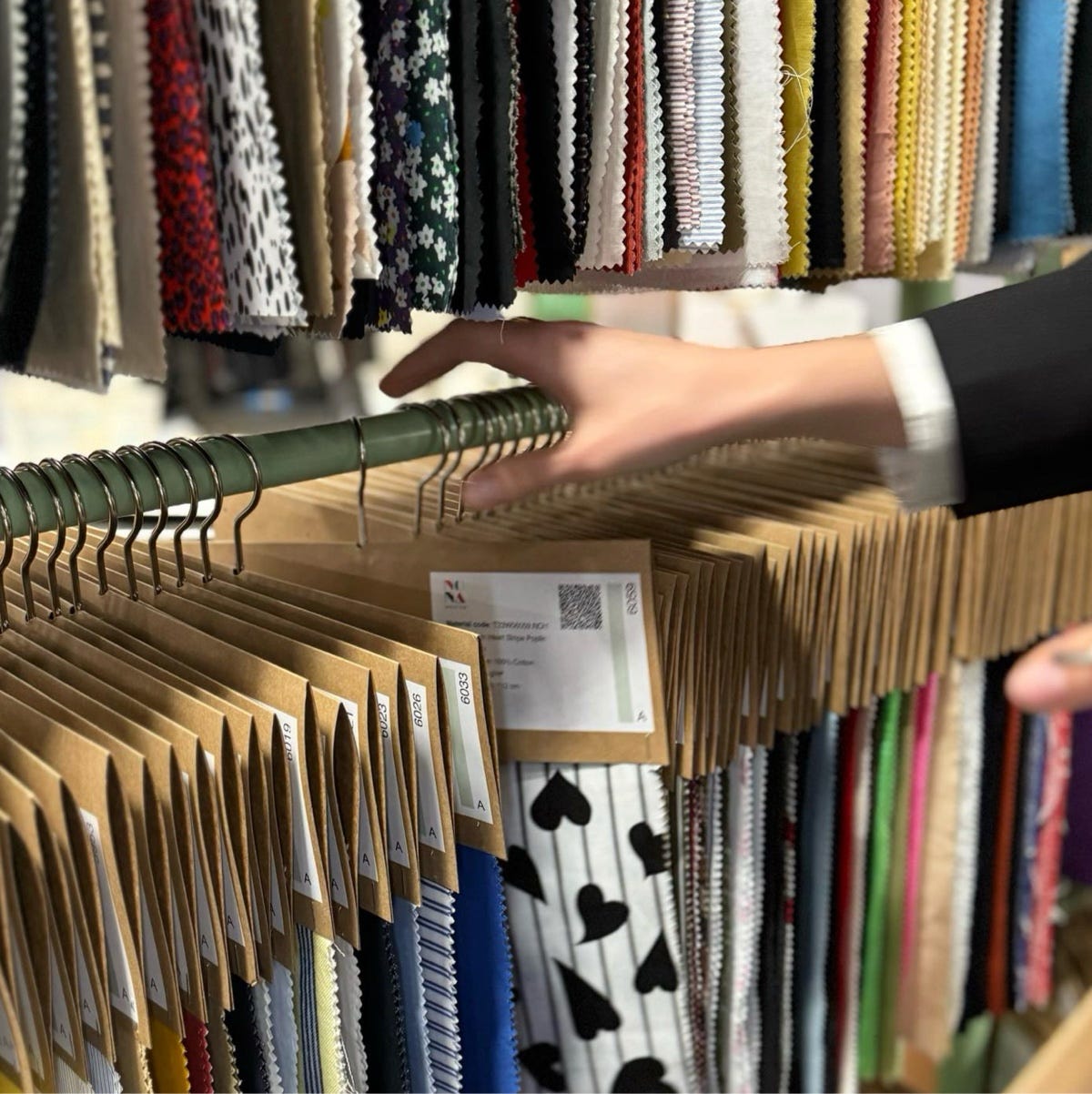
Nona Source
Nona Source buys leftover materials from luxury brands and sells them on their online plattform.
Some of the deadstock is available at more than 2000 linear meters. Yeah, you think like "deadstock"? 2000m?
Global Green
https://www.globalgreen.solutions/ecosimple
This Dutch wholesaler drew my attention by offering beautifully colored and patterned recycled fabrics. They're produced in Brazil by EcoSimple.


Diama
https://www.diama-tissage.com/
This French company is redefining textile production in Senegal with 80% locally grown, rain-fed organic cotton and 100% plant-based dyes. Every step—from fibre to fabric—is fully traceable and handmade. By reviving traditional dyeing and weaving techniques Diama is investing in local craft and training the next generation of artisans.


Ventile
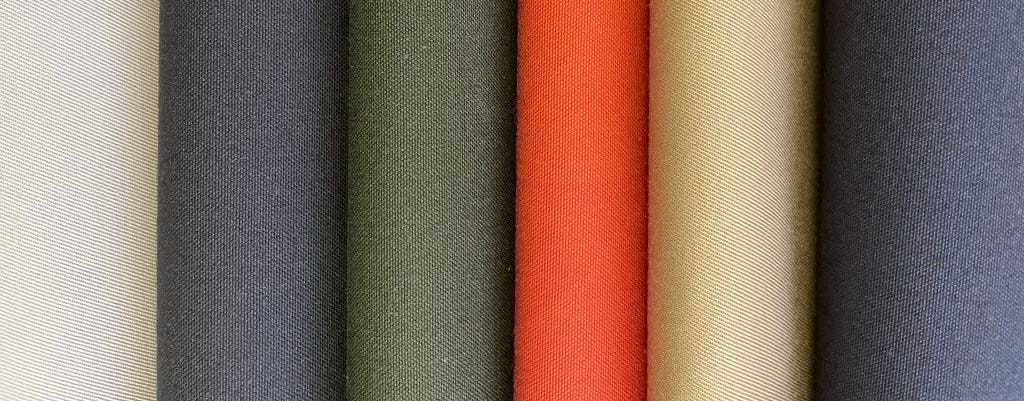
The kind of water resistance I was looking for. “A heritage performance fabric brand known for its tightly woven, weatherproof cotton. The back side is not waxed and the yarn is impregnated PVC free. Originally developed in 1930s Manchester to protect WWII Air Force pilots, Ventile® is now produced in Switzerland by Stotz & Co AG and trusted by both outdoor and fashion brands.”
HerMin
The Taiwanese company "vows to follow the relentless pursuit of producing sustainable yet functional fabrics." They created the “The Natural Laboratory” project to continuously test the limits of natural fiber.
"Our BNS Bouncy Technology allows us to make Cotton, Tencel® and Modal® achieve stretch-ability without using any Lycra® or spandex. Fabrics dyed through our proprietary EZ Dye Technology save more than 80% of steam + water, 70% Alkali + Salt, and 50% or more dyestuff."
TNTEX
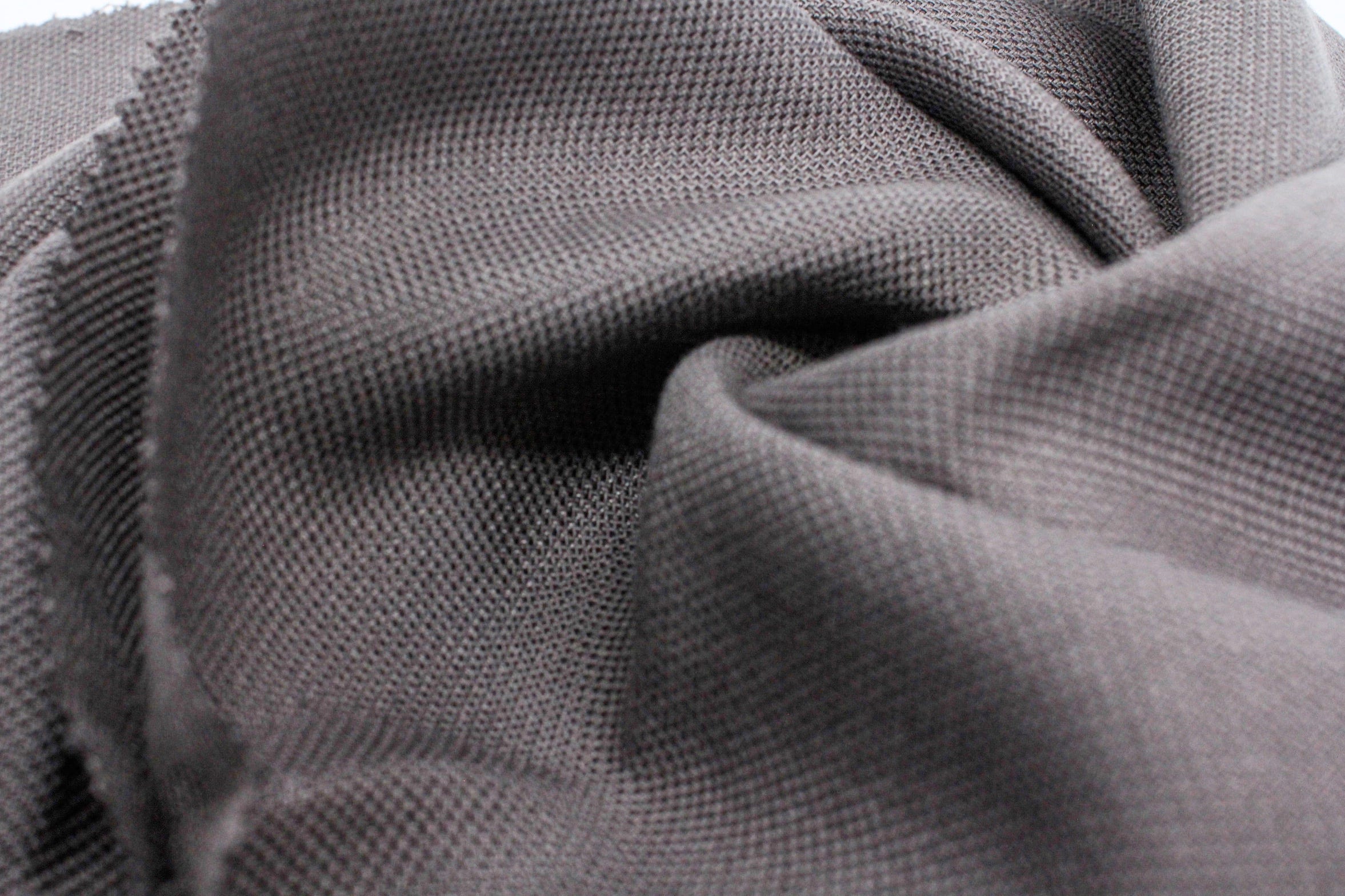
An inexpensive source of basic but innovative fabrics made from hemp, pineapple, kapok, linen, and cotton. By constantly innovating in the reuse of textile materials, they give valuable raw materials a second life and beautiful texture.
Papillon Bleu
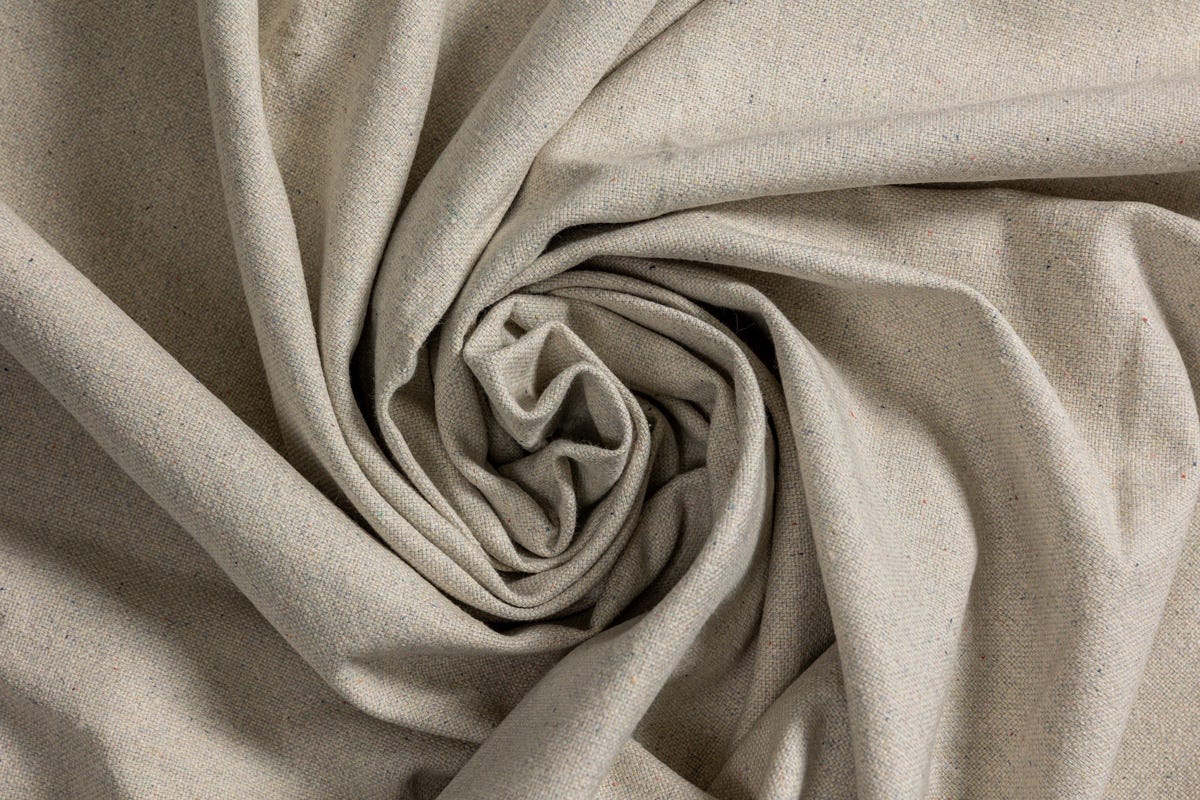
One of the best tactile experiences I had on the show was with the fabrics from Papillon Bleu. Their blend of recycled wool & hemp doesnt just feel substantial and strong but offers beautiful colors that come from cashmere waste.


Bysshe
Their website seems down... but there were samples at the fair. I hope for the best because I really love what they are doing with hemp and cotton.
Their fabrics are woven and finished in England, using hemp yarn from partners in Cornwall and Romania. Alongside Bysshe's work with European hemp yarn providers, Bysshe Partnership is also working with farmers in England to develop the UK capacity to produce fine hemp yarns here on the island. Bysshe's ambition is to create a sustainable, British Isles fabric production network - from seed to finished fabric - and reestablish regional fabric industries in the UK and Europe.


LIBECO
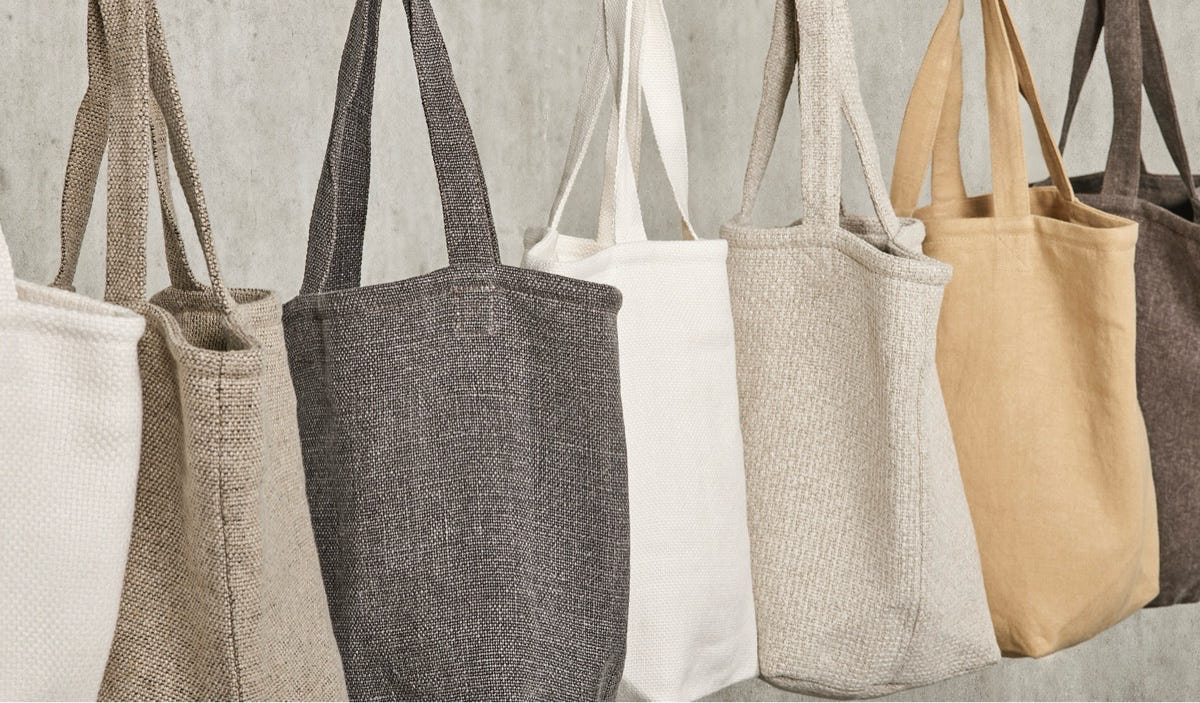
"Libeco is the ultimate destination for Belgian linen of the highest quality."
Heavy and strong materials with great weave pattern work.
CLERICI TESSUTO
Italian distributor with "ancient" tradition and "point of reference for the world’s major luxury brands". Since 1922, they have been operating a supply chain based on its own production resources and the best Italian textile partners.
I'm not sure if this supplier is something for me, but their material archive seems like heaven on earth.


Piacenza
https://www.piacenza1733.com/en/
Now we're going expensive. Wool, Cashmere and Vicuna used to perfection. Some would say this is the way to go when I want to get serious about tactile experience...
"With a steadfast and unwavering commitment to quality, every detail is carefully attended to with the utmost attention, from the selection of the finest raw materials to the craftsmanship of the production process."


HeiQ AeoniQ
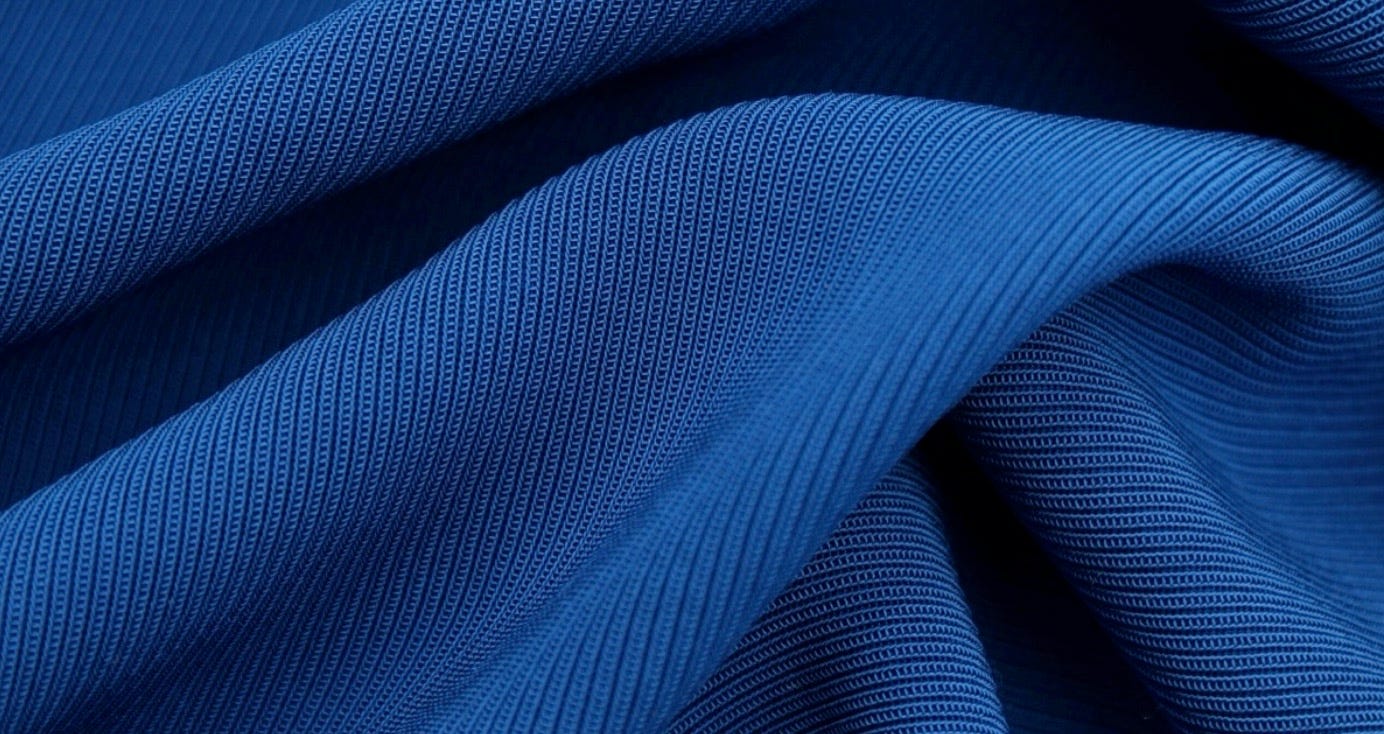
They aim to replace Polyester & Nylon with their "Climate Positive Circular Cellulosic Yarn".
"We managed to reproduce the properties of polyester and nylon yarns in a cellulosic, biodegradable, and endlessly recyclable fiber."
In terms of haptics I don't miss Polyester or Nylon. But if they really offer similar physical properties I'm listening.
Cotonea
https://fabrics.cotonea.de/en/
German supplier focussing on pure organic fabrics made of cotton. Best transparency concerning supply chain I've seen on the fair. Grown in Uganda & Kirgistan, manufactured in Czech, fair pricing, highly educational website, and great B2B online shopfor their fabrics.


CABES GIE
A handwoven textile producer with a social mission based in Burkina Faso. Their cooperative of over 2400 artisans is committed to environmentally friendly and ethical practices at every step of the supply chain.
Just fantastically unique patterns.


Three Kinds of Leather
If I'll use leather or vegan skins in my products I don't know yet. But you can't deny the unmatched aesthetic (especially when aging), durability and unique haptics.
For me there are three interesting directions to play the sensation of this special material these days.
1. Real leather, done properly
Using hides from UK pasture-fed farms and vegetable-tanning them naturally in Britain, they offer fully traceable, biodegradable leather—without chrome or synthetic finishes.
2. Imitating leather
e.g. UNCAGED
The start-Up discovered a way to emulate leather’s renowned strength and durability using plant-based proteins derived from grains.
ELEVATE can be plastic-free or have 1% bioPU as a topcoat. Application is recommended where very high durability is needed or adjustments in appearance such as super glossy is wished.
3. Alternative materials, that come close but are still their own thing
e.g. Revoltech
The start-up is developing two materials that are reminicent of leather but have a unique and authentic asthetic.
LOVR™ gives new life to industrial hemp waste that would otherwise be left in the fields.
Made from algae, MATTR™ is uniquely soft and flexible, making it ideal for high-quality applications.
Special Usecases
Rootfull
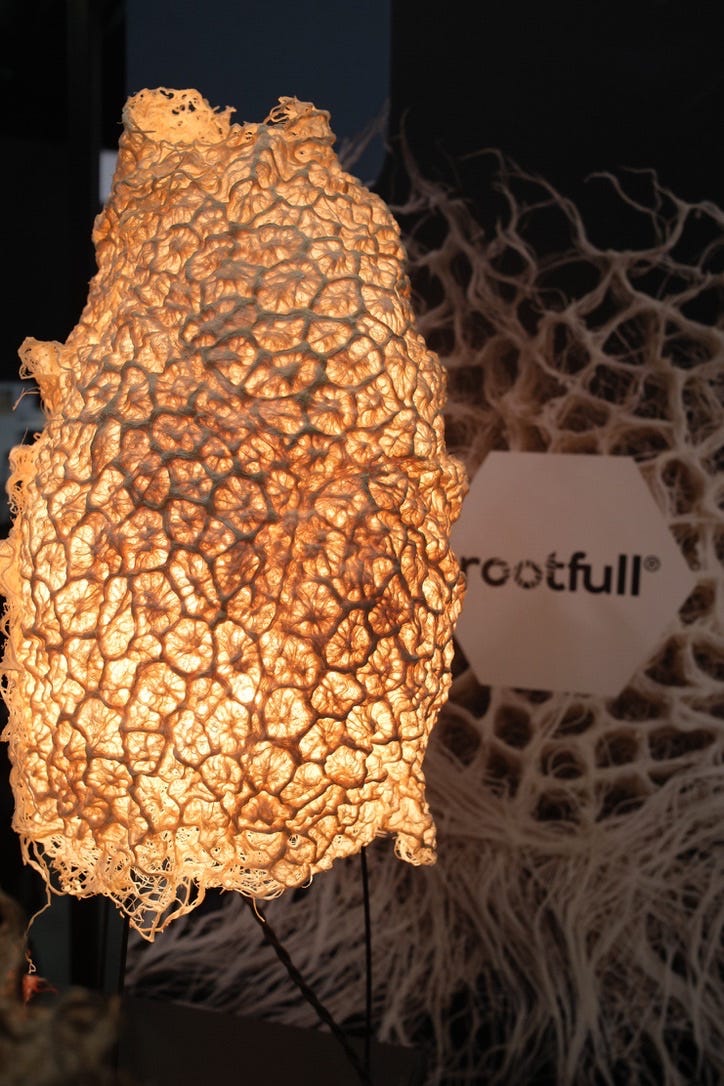
This project merges craft with biology to grow textile from root. Grass seeds grow on carved beeswax templates that guide the root as it develops.
I could imagine this as structural elements in my bag and when you think about the possibilities with generative design using e.g. Grasshopper, 🤯.
SIMPLIFYBER
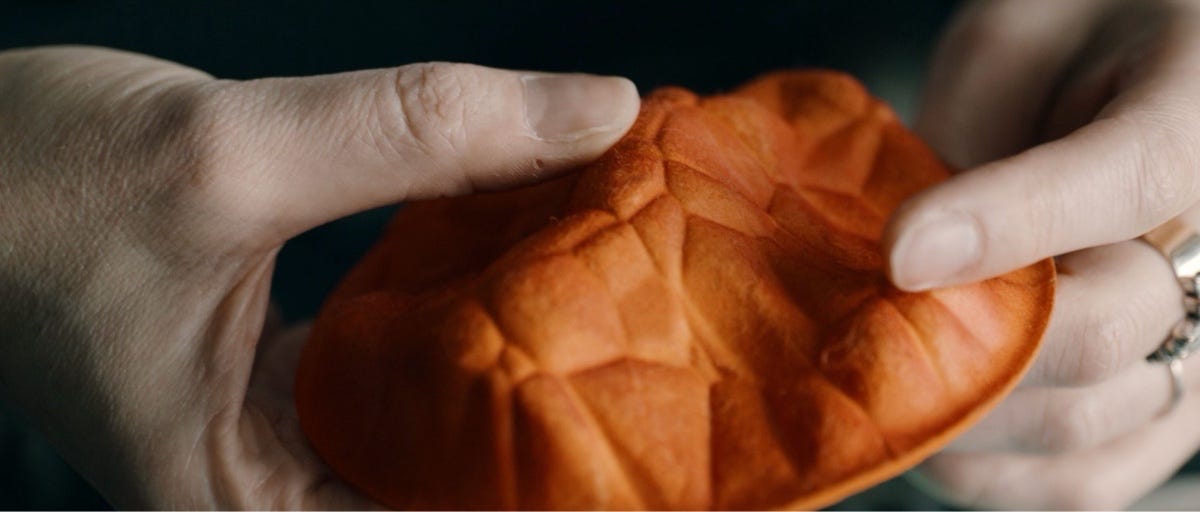
Instead of spinning, weaving. cutting, and sewing, Simplifyber has created a manufacturing platform that does what injection molding did for plastics, but with soft, natural fibre goods.
The liquid used derives from natural inputs like FSC-certified wood, recycled textiles, and agricultural and post-consumer waste.
HD Wool
They showcased how wool—nature’s original performance fibre—can be elevated for modern, high-performance applications. Through their Woolkeepers® programme, they’ve created a fully traceable and certified supply chain that connects wool growers directly to end products with full transparency.
To enhance durability and maintain loft their Active Insulation material is blended with non-GMO PLA, a biopolymer made from renewable plant sugars. This plant-based fibre offers a sustainable alternative to petroleum-based plastics, improving wash resilience without compromising on circular values.
Imbotex
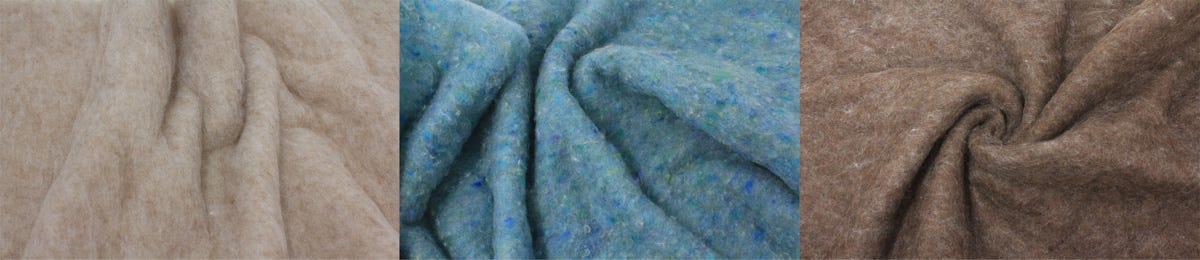
This Italian company specialized in high-tech, natural, and recycled fibre paddings for clothing, furniture, workwear, and beyond. Since 1955, they’re combining noble fibres like wool and silk with plant‑based, upcycled, and technical fibres.
Packaging
Want to apply your branding to every aspect of the product experience, like packaging, labels, swing tags, tapes (and the list goes on)?
Check out these examples from the fair:
Weavable
Extra: Leather and Metal applications
Nilörn
Extra: Hub to support with Design & Logistics
This has been quite a recap. I hope you managed to find some valuable insights!
If you have thoughts, feedback or think of something I should know about along my journey, please:
