

Make What You Love or What They Need?
Bagging For Business #4

After more than 10 years as a designer, I’ve wrestled with one question more than any other:
Should I focus on what people actually want, or should I create what my artistic instinct tells me to do?
This tension is everywhere—in art, in design, in business. It’s the classic struggle between personal expression and audience-driven creation. Every designer, artist, and entrepreneur faces it at some point. And in a world where extremes get the most attention, the truth—as always—lies in the balance.
The Reflex Against “Giving People What They Want”
Not long ago I saw a post on Substack outlining how to write a book in 30 days:
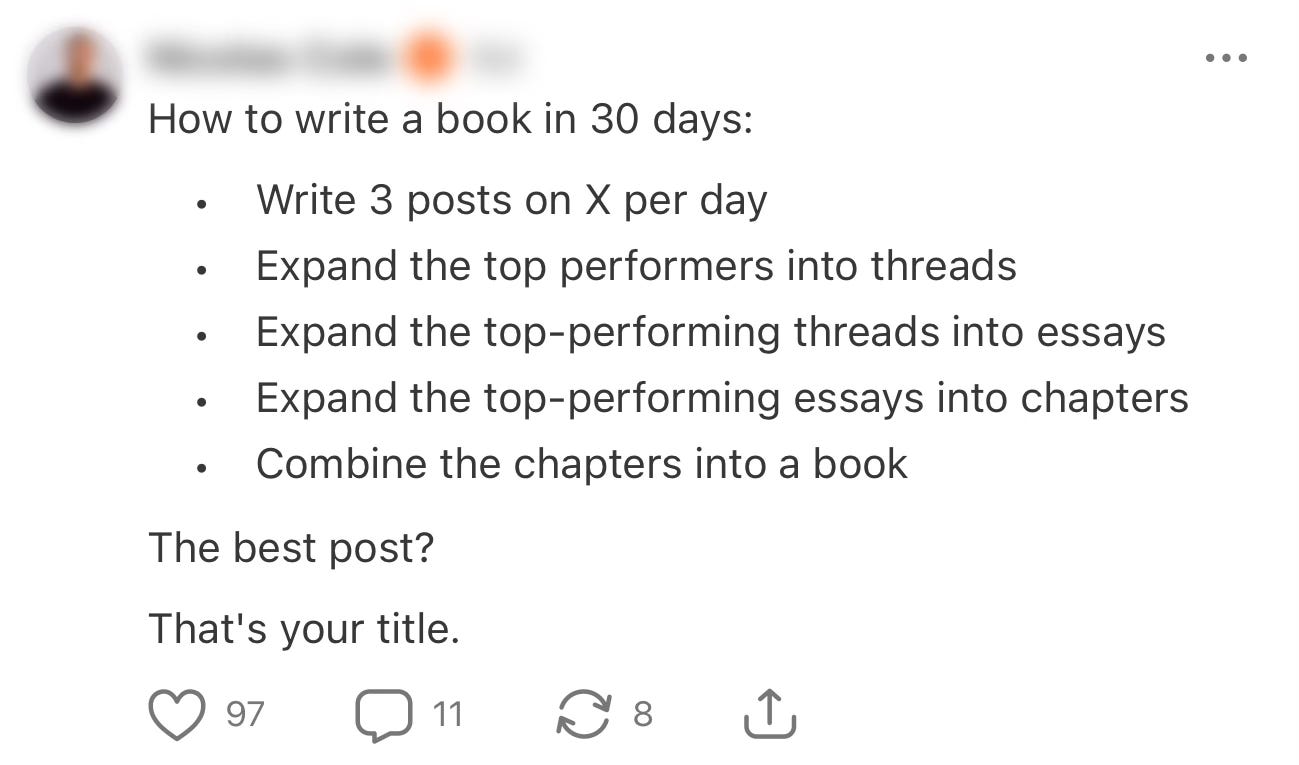
It made me angry.
It felt like an assembly line, a formula designed to chase trends instead of creating something meaningful. It played into my deepest frustration: the idea that creative work should be shaped entirely by what performs well, by what the audience reacts to, instead of by what truly matters.
But then I caught myself—why the reflexive hostility?
Because deep down, I want to believe that the best work comes from pure conviction, untouched by the market. That if you make something truly great, the right people will find it.
That‘s why I immedietly interpreted that the post wants me to chase an audience. Rage against other doctrines!
But it actually tells you to listen. It doesn’t say, „Alter your text!“ It says: „Your work can remain true to yourself, but you pay attention to what resonates.“
The audience determines value, not the creator.
The Misleading Divide Between Art and Design
Milton Glaser once made a blunt distinction between the roles of art and design:
“The purpose of art is to inform and delight. The purpose of design is to inform and make money.”
There’s truth in that. But also, it’s completely wrong.
Art can be commercial. Design can be deeply personal. The best work happens when you stop treating them as opposites.
Design exists to solve problems, but that doesn’t mean it has to be boring or predictable. The best designers don’t just respond to constraints; they find creativity within them. I know many designers who even prefer to work within constraints. If you want to think outside the box, you need a box.
Business advice like “Don’t find customers for your products, find products for your customers.” used to annoy me. It felt like giving in—like making things just to please people. Again it’s not about compromising your vision. It’s about understanding that you don’t decide what resonates. The audience does.
Can You Have It Both Ways?
Here’s a David Lynch (I will always cherish, RIP) in-your-face-quote:
“If you want to make a movie (or anything else), make something you really love. And then you stand the best chance that other people will love it, too.”
That’s the paradox. You have to create from a place of conviction—otherwise, your work is hollow. But if no one finds value in it, what’s the point?
So, how do you unite these forces?
Start with truth. Make what matters to you.
Listen to the response. Not to conform, but to understand.
Refine, but don’t pander. Use feedback to sharpen your vision, not dilute it.
Break the loop. Once you master a pattern, disrupt it and start again.
This applies whether you’re designing a bag, writing a book, or launching a startup. The craft must be personal, but its success depends on others seeing value in it.
I learned this lesson firsthand while developing a seat at Volkswagen. The original idea was simple but powerful—an ultra-lightweight sports car seat that adapted to the driver and the driving situation. It was pure, uncompromised, and sports car enthusiasts loved the concept.
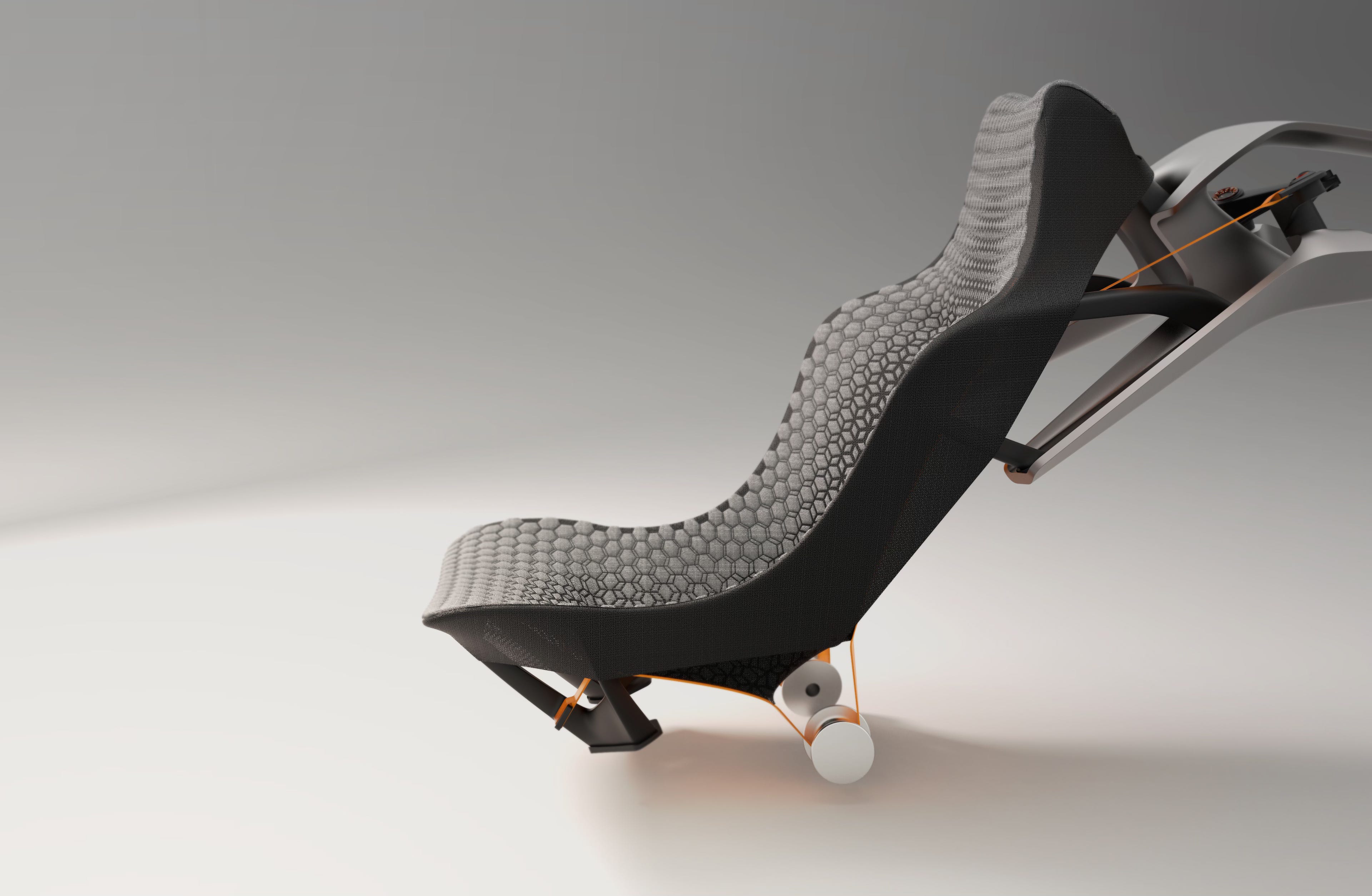
Then came the push to make it work for a high-volume vehicle. It made sense on paper—if a design is good, why not scale it? So we adjusted the form, made compromises, and tried to fit it into a mass-market context.
It didn’t work.
The very essence of the seat—its agility, its responsiveness—was lost in the process. We hadn’t listened to actual customers; we had listened to internal voices that assumed there was a broader market for it. In the end, the original sports car version was the strongest because it stayed true to its purpose.
Start with truth, listen to the response. Refine but don‘t pander, and break the loop.
Breaking the loop is especially important. You have to come back to your artistic instinct. Try, fail, learn, but don’t become a slave of data analysis.
Harnessing the Creative Process
In theory, social media should allow for pure artistic expression, because they no longer have to rely on traditional gatekeepers—publishers, galleries, record labels, or other institutions. In practice, it’s a gravitational force pulling creators toward external validation. Metrics—likes, shares, engagement—become a substitute for meaning.
Still, creation can only exists in dialogue with the world. If a poet writes in a language no one speaks, is he still a poet? His words might beautiful, but to whom? We have to decide who we want to be; the one hoping others will learn your language, or the one translating it.
“All that matters is that you are making something you love, to the best of your ability, here and now.” - Rick Rubin
That’s the job. Everything else—recognition, sales, impact—is secondary. But if you want to grow, you have to observe. You have to test. You have to embrace feedback—not to change your vision, but to refine it.
Make What You Love AND Listen To What They Need
Design is like a gift. If you create only for yourself, it’s like giving someone an empty box. If you create only for function, it’s like giving a gift without thought or care. The best work considers both—the craft and the purpose, the heart and the hand.
“No horse gets anywhere until he is harnessed. No steam or gas ever drives anything until it is confined. No Niagara is ever turned into light and power until it is tunneled.” ~ Harry Emerson Fosdick
No work is great until it is focused, dedicated, and disciplined.
So create fearlessly. Listen carefully. And never stop rediscovering where the two meet.
Saying that to myself as well ;)
Remember the poll from last week? It’s still on, appreciating some help!
